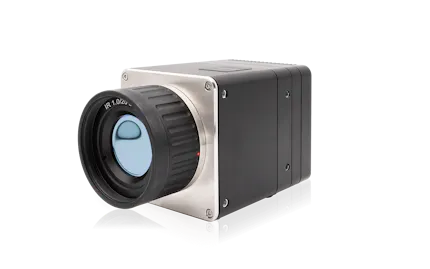
Thermographic Process Monitoring for Die Casting – DIECAST-CHECK
DIECAST-CHECK combines large-area thermographic measurement, robust system technology, and process-oriented software into a single solution that provides greater transparency in die casting. The system helps reduce scrap, stabilize the process, increase productivity, and reduce stress on the die. stabilisieren, die Produktivität zu steigern und die Belastung der Gussform zu verringern.




Monitor the Temperature Distribution of the Casting Mold Inline
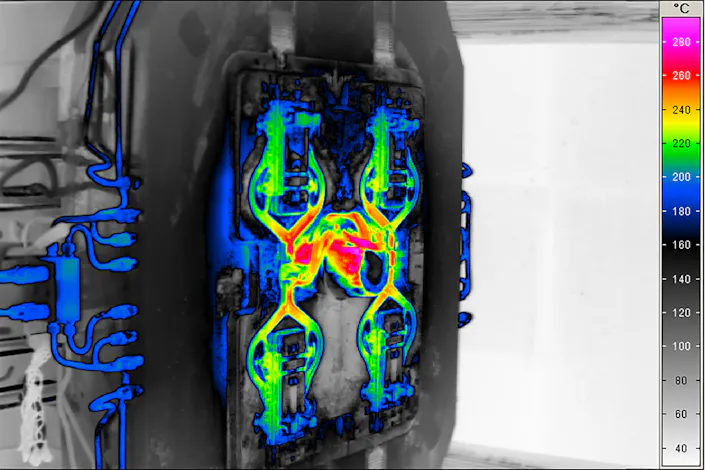
DIECAST-CHECK is a thermographic measurement system for monitoring die-casting processes. The solution provides non-contact measurement of the temperature distribution across the entire die and detects local thermal deviations in real time. With the data obtained, targeted improvements can be made to process stability, component quality, and cost-effectiveness, while reducing production costs.
The key benefit over spot measurements with pyrometers or thermocouples lies in the fact that DIECAST-CHECK provides a complete thermographic image of the cavity. This allows deviations and critical areas to be identified early on, before the process becomes unstable and scrap is produced. Using AI-based algorithms, the recorded temperature data for each individual production cycle can also be processed to analyze patterns in mold temperature across different batches and draw conclusions, for example, regarding more uniform heating of the mold.


Reliable Control of Die-Casting Processes
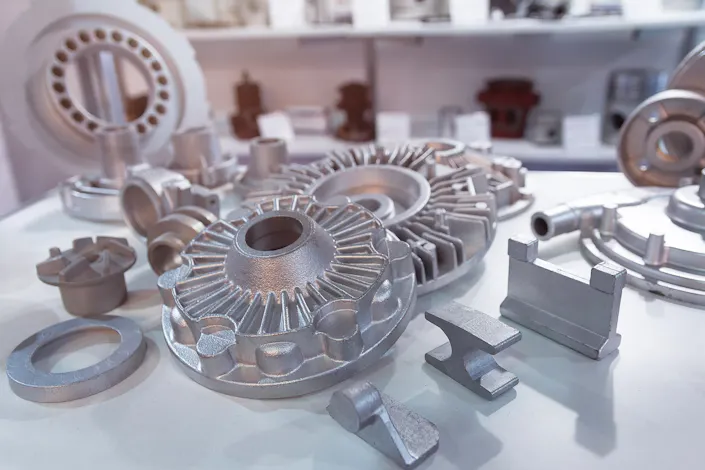
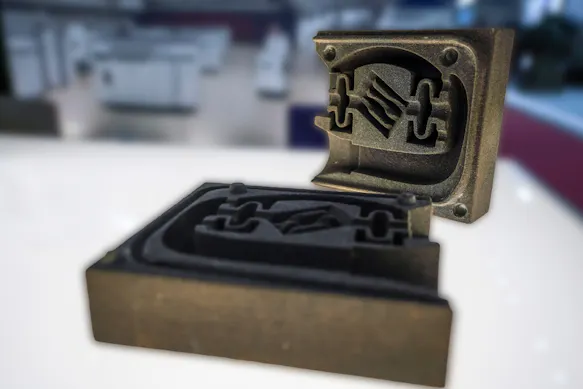
Die casting is a highly productive process for the high-volume production of components made of non-ferrous metals such as aluminum and magnesium, as well as their alloys. The processes operate within narrow thermal windows and with short cycle times. Even slight temperature deviations on the cavity – which occur particularly during the system’s warm-up and startup phases – can compromise the quality of the casting. Reliable inline temperature monitoring is essential for ensuring an efficient process.
Temperature Deviations in Die Casting Lead to an Increased Risk of Defects
The Impact of Temperature Distribution in the Mold
Process stability
Component quality
Ccrap rate
Tool’s service life
Efficiency of the die-casting cell
Typical consequences of thermal deviations include delayed solidification, cold shuts, cracks and lunker porosity in the component, material chipping, as well as deposits on the die-cast part or the die.
All non-conforming cast parts are rejected during quality control. The wide range of possible deviations often leads to a high scrap rate, particularly at the start of the process, which has a negative impact on the cost-effectiveness of die casting. Short cycle times further exacerbate this challenge, especially for aluminum castings.
DIECAST-CHECK for Greater Process Stability and Reduced Scrap
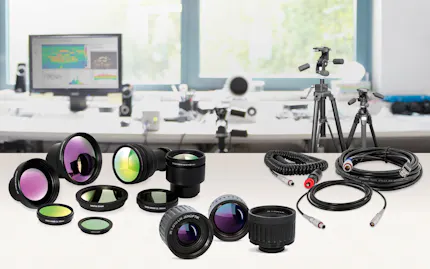
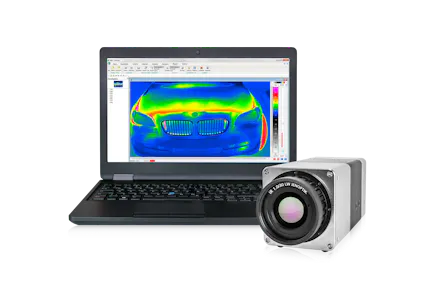
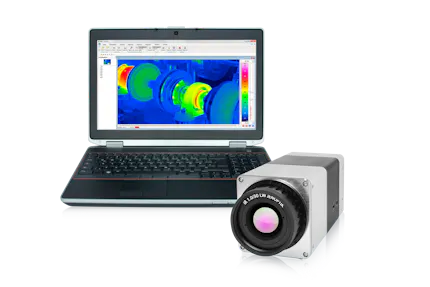
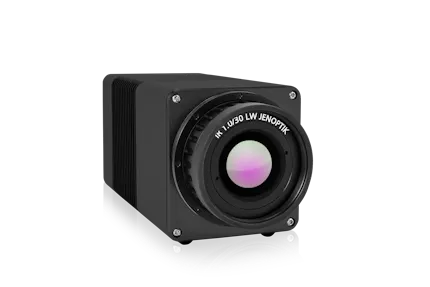
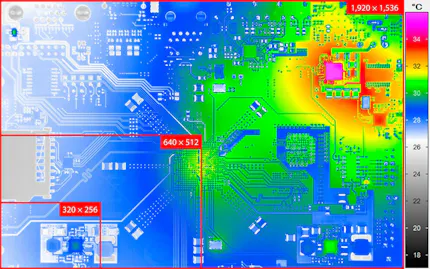
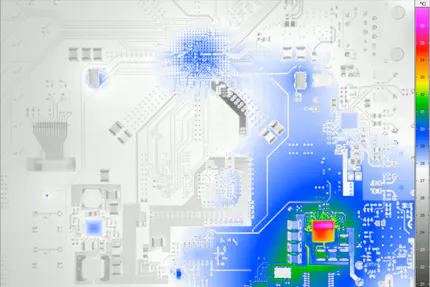
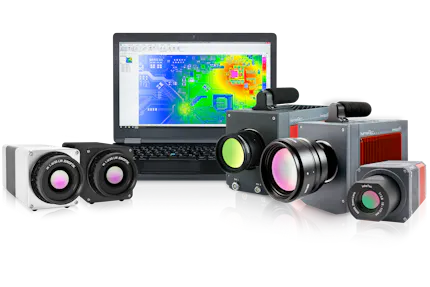
DIECAST-CHECK enables users to detect critical thermal conditions in the die at an early stage. High-resolution infrared cameras reliably detect temperature deviations – even in complex, finely structured components – thereby revealing critical areas of the die. This allows for targeted corrective actions during ongoing processes.
Thermographic measurements also provide important data for optimizing the quality of the die-cast part and the cycle time.


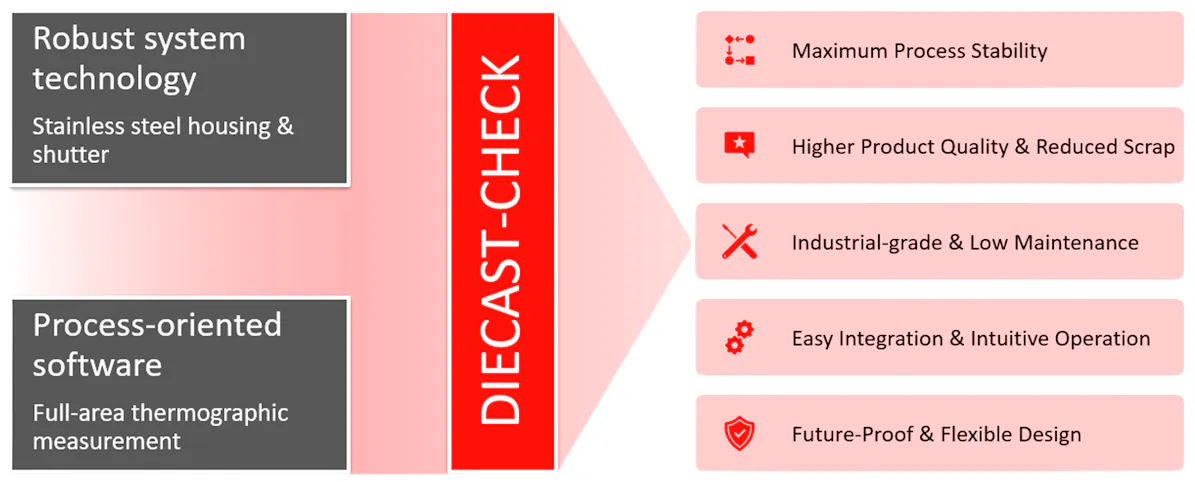
Benefits of Thermographic Monitoring in Die Casting
DIECAST-CHECK enables users to benefit from comprehensive and seamless inline temperature monitoring of the die.
Your Benefits at a Glance
Early detection of thermal deviations
Significant reduction in scrap rate, especially during the startup phase
More stable production through data-driven process monitoring
Increased cost-effectiveness of the die-casting cell
Reduced thermal stress on the die
Extended tool life
Optimization of the cycle time
Intuitive operation and a complete overview of relevant process data













Would You Like to Know More?
It is not unusual for tasks to be associated with special requirements. Discuss your specific application needs with our specialists, receive further technical information or learn more about our additional services.


Thermography in Die Casting Under Real Production Conditions
Non-contact, area-wide temperature measurement in the die-casting process is technically very challenging due to the harsh environmental conditions: Before each casting operation, the die has to be sprayed with a release agent to make it easier to remove the component after die-casting. This generates spray mist and dirt, from which the optical systems of the infrared cameras used in the immediate process environment must be protected.
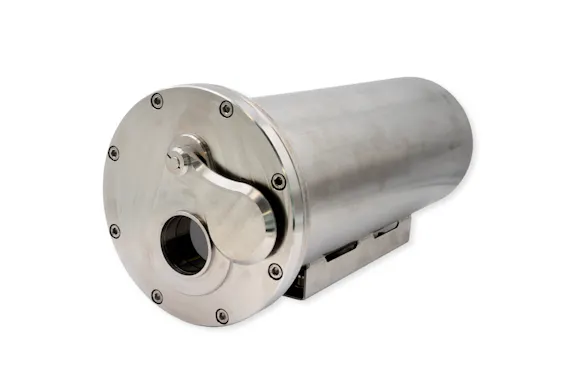
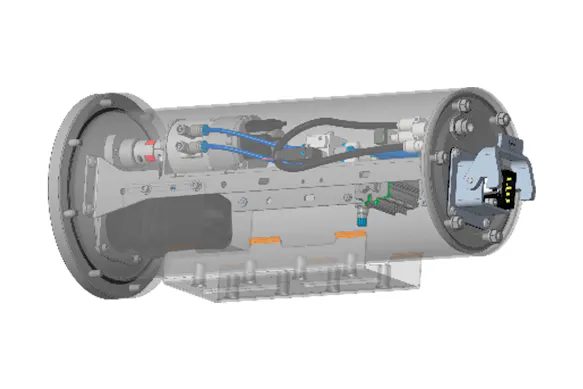
To meet the particularly demanding requirements of this “lubrication phase,” a special, highly robust protective housing was developed in collaboration with an industry partner. This housing features a precisely controlled protective flap and an air-purge system that prevents contamination of the germanium protective window integrated into the housing. As a result, the functionality of the entire measurement system is ensured, and cleaning is not required until after a long period of operation.



System Integration into the Die-Casting Machine
DIECAST-CHECK is integrated into the die-casting cell’s process control system via industry-standard interfaces. The DIECAST-CHECK software – a version of the INDU-SCAN software specifically tailored for monitoring die-casting processes – provides data to the higher-level plant control system, displays the process data on a control screen, and stores all measured values. Temperature data is automatically collected and recorded after the release agent is applied.
Software for Temperature Monitoring, Alarms, and Process Evaluation
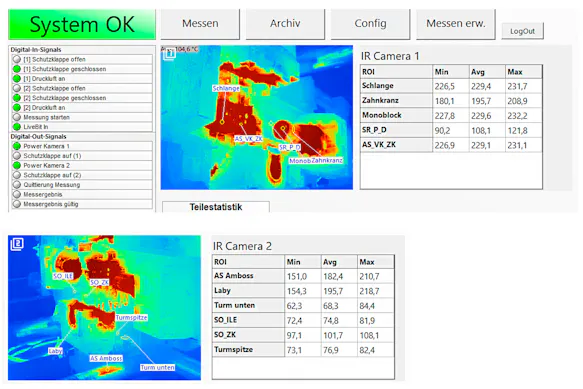
The user interface of the DIECAST-CHECK software displays real-time thermal images of the die. In addition, temperature trends over time can be graphically displayed and analyzed. For analysis, various regions of interest (ROI) can be defined, enabling targeted monitoring of areas that are particularly critical to component quality.
If the temperature of the die measured by the system is within the specified limits, the die-cast part produced is considered "acceptable" and the cycle continues. If the temperature exceeds or falls below the limits, the system triggers an alarm and flags the affected areas with temperatures that are too high or too low. The data is transmitted to the machine control system, which initiates the necessary heating or cooling of the die.
The software also monitors other parameters, such as the compressed air pressure at the camera protective housing, the proper operation of the shutter flap, and the need to clean the viewing window.


Conclusion
DIECAST-CHECK ist besonders relevant für Anwendungen, in denen thermische Prozessfenster eng sind und hohe Qualitätsanforderungen gelten. Dazu zählen vor allem automatisierte Druckgussprozesse in der Serienfertigung.
Frequently Asked Questions About Thermographic Monitoring in Die Casting
DIECAST-CHECK is a thermographic monitoring system for the comprehensive measurement and analysis of temperature distribution in die-casting molds during the die-casting process.
The temperature distribution across the die affects process stability, part quality, and cost-effectiveness. Temperature deviations can cause typical casting defects and increase the scrap rate.
Pyrometers and thermocouples only measure individual points. DIECAST-CHECK, on the other hand, provides a complete picture of the temperature distribution across the cavity. This allows critical areas to be identified earlier.
No, the temperature data is automatically recorded during the process without extending the cycle time.
Yes, a special protective housing with a protective flap and air purge was developed for this purpose. It protects the infrared cameras and thus ensures reliable measurement.
Yes, the software enables the definition of various regions of interest, allowing for targeted monitoring of areas of the mold that have a significant impact on part quality.
If temperatures exceed or fall below set limits, the system immediately triggers an alarm and highlights the affected areas. The machine control system uses this data to regulate the heating or cooling of the mold.
The solution is especially beneficial during the warm-up and start-up phases, because temperature deviations often lead to increased scrap during these stages.