2026-09-15Online Event: AI-powered Processing of Thermal DataTaking Data Processing, Machine Vision, and Industrial Quality Assurance to the Next LevelRead onDownload ZIP-File (12849 kB)
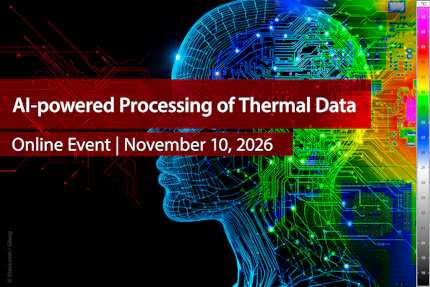
On November 10, 2026, we invite you to join our free of charge online event, “AI-powered Thermal Data Processing”. Learn more about the use of artificial intelligence to extract and analyze valuable data from thermographic measurements.
 2026-09-10Online-Event: Lock-in Thermography for Inspection of Electronics and Integrated CircuitsDetecting thermal anomalies and local power losses within shortest test timesRead onDownload ZIP-File (11122 kB)
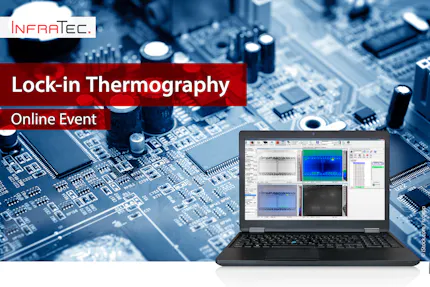
Our free of charge InfraTec English online event "Infrared Lock-in Thermography for Inspection of Electronics and Integrated Circuits" will provide you with more information about lock-in thermography as a high-precision measurement method for non-contact and non-destructive testing in electronics and electrical engineering.
 2026-08-28Thermography Provides Insights into Cost-Effective Steel Production for Press HardeningResearch project advances robust industrial quenching-and-partitioning processesRead onDownload ZIP-File (1146 kB)
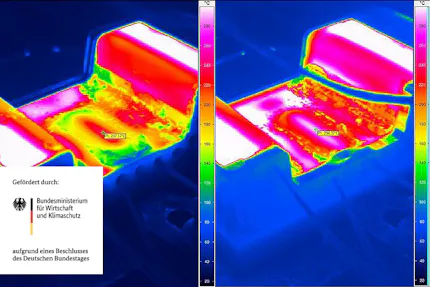
As part of the IGF project “Manufacture of high-strength, ductile components from low-alloy quenched and tempered steel using novel quenching & partitioning press hardening strategies”, infrared thermography was used for process analysis and material characterization. The work focused on thermomechanical interactions during forming. Thermographic measurements were taken both during conventional heating processes (for example, furnace heating) and during innovative strategies such as contact heating.
 2026-08-26DIECAST-CHECK by InfraTec: Ensuring Thermal Safety in Die Casting ProcessesInline measurement system for monitoring the temperature distribution of the casting moldRead onDownload ZIP-File (8359 kB)
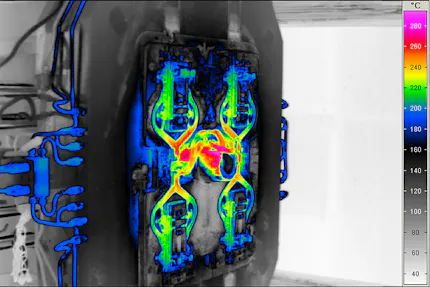
With InfraTec’s new DIECAST-CHECK automation solution, users can monitor the temperature distribution across the surface of the die inline. The system detects thermal deviations early on, thereby creating the conditions necessary to stabilize die casting processes, reliably ensure the quality of castings, and reduce scrap.
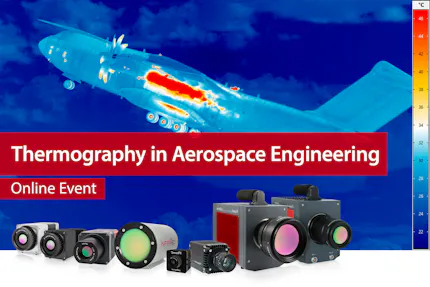
 2026-07-30Online Event: Thermography in Aerospace EngineeringMethod for a wide range of measurement and testing tasksRead onDownload ZIP-File (8644 kB)
In our free InfraTec online event “Thermography in Aerospace Engineering”, you will learn more about the wide range of possible applications of thermography for research and development in aerospace engineering and for the investigation of friction processes. Our experts will demonstrate how temperature distributions and their temporal trends can be captured, analyzed and used for effective testing.