Reliable Flame Detection for Maximum Safety
VINE-SYS is a Korea-based manufacturer, exporter, specializing in the optical flame detection in South Korea. The high-end triple-IR flame detection devices of the company’s NX series are equipped with LME‑336 detectors from InfraTec. The devices are used for supervising living environments for fire prevention.



Highly reliable fire protection systems are essential for both public buildings and high-rise residential buildings. The consequences of a fire can be dramatic, which is why risk mitigation measures are required by law. For flame detection, VINE-SYS offers, among other products, its NX Series flame detection devices, which are available as triple-IR (IR3) or as quadruple version with an additional channel for hydrogen flame detection. Both NX devices are suitable for long-distance flame detection and feature high false alarm immunity. These NX devices observe areas where detection of the onset of a fire is critical to prevent any significant damage to the facilities and to protect lives.
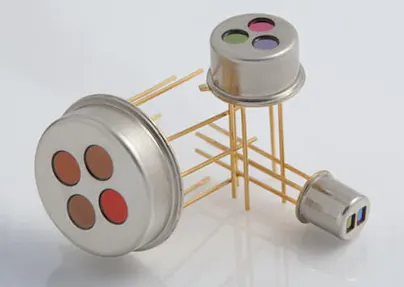
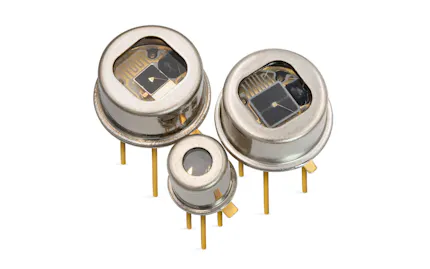
For flame detection, attention is paid to high sensitivity, fast response time and a large field of view. A key challenge for the NX devices is reliable flame detection over the long distances required by specific national regulations. The single channel detector LME‑336, implemented in each spectral channel, solves this task with high detectivity, using a 2.0 × 2.0 mm lithium tantalate pyroelectric element. Additionally, the wide field of view (FOV) and a 5.0 mm aperture allow the observation of large areas with a single flame detection device. The low micro-chip mounting ensures undisturbed signal even in rugged environment.
InfraTec Solution
VINE-SYS Inc., Suwon, Korea
vinesys.co.kr
InfraTec detector
LME-336 single channel detector
Using the detector in current mode offers advantages such as a high, noise-immune output signal and faster response to step responses, such as those triggered by mechanical pulses or rapid temperature changes. Low-frequency disturbances, such as changes in ambient temperature, are also more effectively suppressed.
As human lives depend on the reliability of the NX flame detection devices, VINE-SYS decided to implement high-quality pyroelectric detectors from InfraTec. As part of their long-standing partnership, the two companies supply the market with high-performance flame detection devices in the required quantities