Spectral Infrared Thermography
Spectral thermography provides material specific precision measurements
Concentrate measurements on highly emissive or transmissive spectral ranges
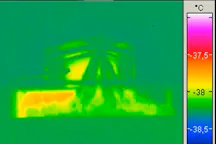
Thermography on glass and through glass as well as temperature measurements through gases or even gas flames with spectral filters
Detection of various gases
Recording of temperatures and characterization of large-scale flames
Filters close to the detector of the infrared camera avoid warm aperture effects


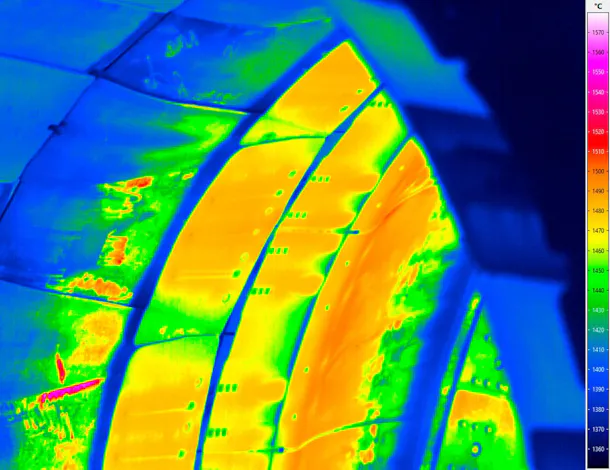

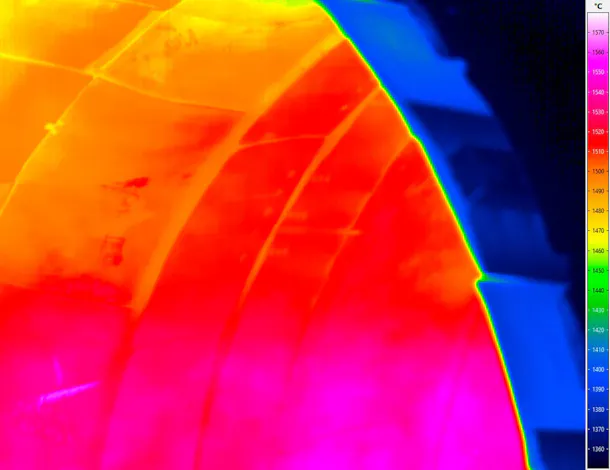


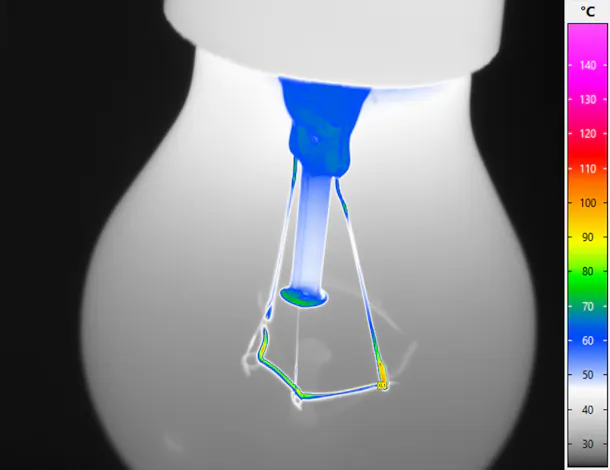


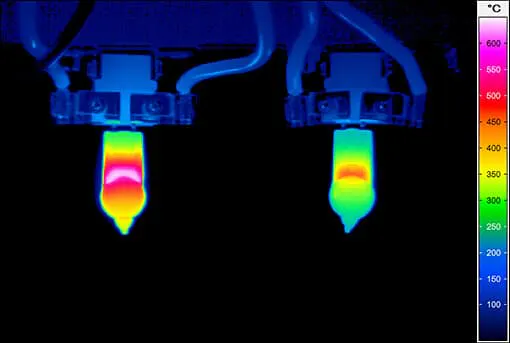
Spectral IR thermography has evolved from traditional thermal imaging technology: a camera is specifically tailored to the unique properties of the test object. Detection focuses on those infrared wavelength ranges in which materials emit or transmit IR radiation particularly well. This enables measurement tasks to be solved where conventional methods reach their limits – such as with glass, reflective surfaces, thin films, or when measuring temperatures through gases and flames. Appropriately selected spectral filters reduce interference, suppress background radiation, and selectively highlight relevant measurement signals. This lays the foundation for more precise temperature measurements and additional possibilities for material-specific analysis.


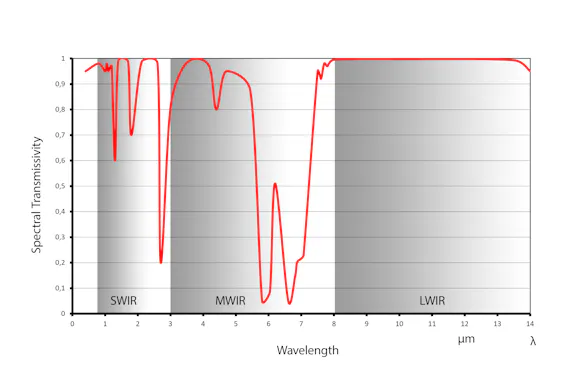
Thermal imaging primarily operates in three bands within the IR spectrum, known as atmospheric windows:
SWIR: (0,8…2) µm – short-wave infrared
MWIR: (1,5…5,5) µm – mid-wave infrared
LWIR: (7…14) µm – long-wave infrared
Infrared cameras therefore operate primarily in the SWIR, MWIR, and LWIR bands; in addition, the NIR range (near-infrared, < 1 µm) plays an important role at very high temperatures.
What Is Spectral Thermography?
In a broader sense, spectral thermography already starts with the deliberate selection of a camera for the specific infrared spectral range relevant to the measurement task – for example, LWIR cameras for rugged continuous applications or MWIR cameras for demanding laboratory and process measurements.
More specifically, the term “spectral thermography” is used when a camera’s spectral sensitivity range is further limited by filters so that only a narrow, application-relevant band is captured. This approach is particularly useful when broadband measurements would include interfering radiation components that cannot be clearly attributed to the test object.
Spectral thermography focuses precisely on those wavelength ranges in which relevant measurement signals stand out clearly and are not masked by other signals. The favorable signal-to-noise ratio enables particularly accurate measurements.
Typical examples of the use of spectral thermography include:
Temperature measurements on and through glass
Temperature measurements through gases and flames
Temperature measurement and characterization of large-scale flames
Detection of various gases
Identification of materials based on their spectral fingerprint
Detection of material differences based on specific spectral emissivities
Depending on the specific application, spectral limiting follows one of three strategies:
Measurement in a spectral range where the test object emits a high level of radiation in order to determine its surface temperature as accurately as possible
Measurement in a spectral range in which a medium exhibits high transmittance in order to determine the temperature of an object located behind it
Suppression of interference caused, for example, by sunlight reflections, laser radiation, or combustion gases
The key characteristic of spectral thermography is therefore that only a selected spectral range is used, rather than the entire available signal. Spectral thermography is therefore an application-optimized, physically selective measurement method.






Selecting the Appropriate Spectral Range
In the context of a specific application, the spectral range suitable for measurement is determined by several factors: the material properties of the test object, environmental and process-related interference, the temperature range, as well as detector technology, optical materials, and the filters used.
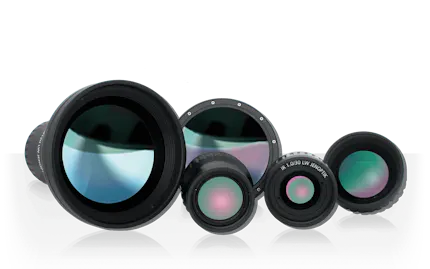
Within the spectral subsections mentioned, the range of applications can be limited by the characteristics of the detector type used (detection principles, detector materials [InSb, MCT, XBn]), as well as by the material properties of the lens used (for example, Germanium, sapphire, or specialty glass)
| Spectral Range | Thermal Cameras |
| LWIR | Universal cameras, usually with an uncooled microbolometer detector |
| MWIR | Typically high-performance cameras with a cooled detector |
| SWIR | Cameras for specific spectral conditions, typically with an InGaAs detector |
| NIR | Cameras for high-temperature objects, usually with a Si detector |
Spectral Filters as the Key to Selective Measurement
Fine-tuning in spectral thermography is achieved using infrared spectral filters. These are typically inserted into the optical aperture between the lens and the detector. The spectral filters make it possible to tune the camera to material-specific emission or absorption bands or to deliberately block out unwanted wavelength components.
Infrared spectral filters can be classified as follows:
Low-pass filters (transmission only below a cutoff wavelength)
High-pass filters (transmission only above a cutoff wavelength)
Bandpass filters (transmission within a specific range of the IR spectrum)
Narrowband filters (transmission only within a narrow wavelength range, narrow bandpass)
Neutral density filters (uniform/constant attenuation of radiation intensity across the entire spectral range)
Band-stop filters (no transmission within a defined range of the IR spectrum, e.g., to reduce solar reflections in the MWIR)

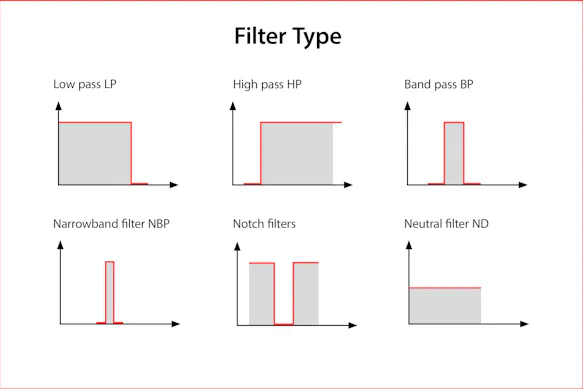
Various Filter Types
Although spectral filtering enables measurements within specific ranges, a narrower passband results in lower radiation intensity at the detector. This means that the signal-to-noise ratio deteriorates, which can impair temperature resolution, particularly at low temperatures. Spectral thermography is therefore particularly worthwhile when the metrological benefit clearly outweighs the loss of signal. It should be noted that the use of filters requires special calibration of the system for the intended temperature range.
Typical Applications: Glass, Gases, Flames, and Films

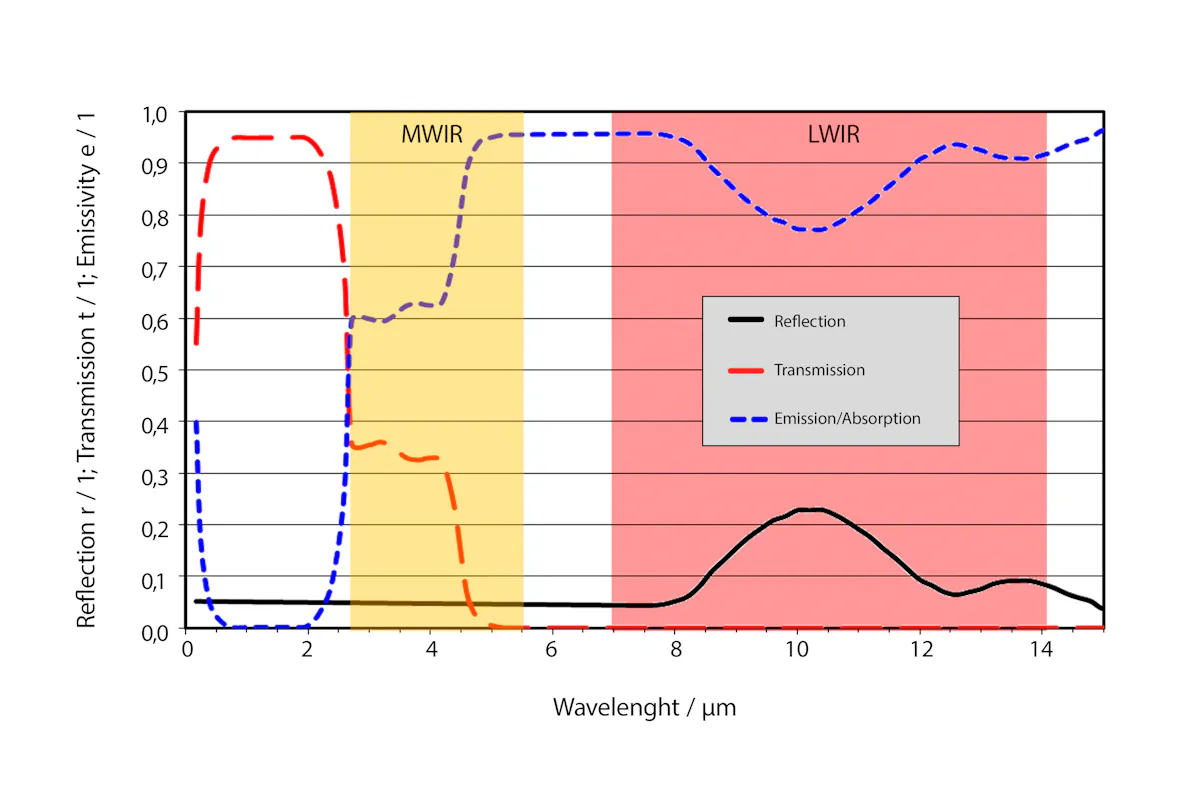
Spectral properties of glass as a function of wavelength in the IR spectrum
A typical application of spectral thermography is taking measurements on glass and through glass. Depending on the wavelength, glass exhibits very different spectral properties in the IR spectrum.


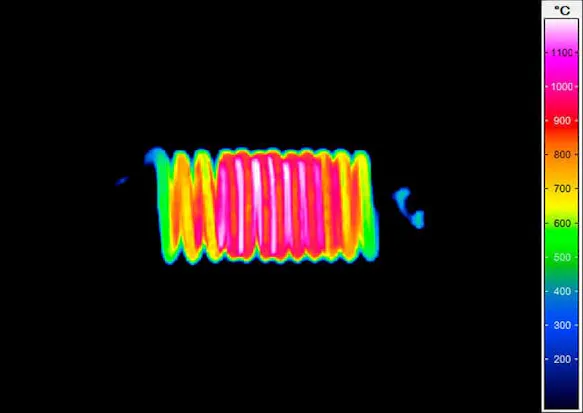
Measurement of High-emissivity Areas
If the measurement focuses on an area of high emissivity, the temperature of (semi)transparent materials can also be reliably determined. If, for example, the surface temperature of glass is to be measured, it is recommended to limit the measurement to the upper MWIR band (5 to 6 µm) or to regions above 10.5 µm in the LWIR band. The former is better suited to higher glass temperatures, the latter to lower ones.


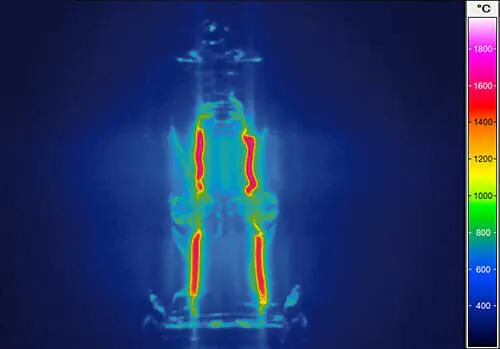
Measurement in Areas of High Transmission
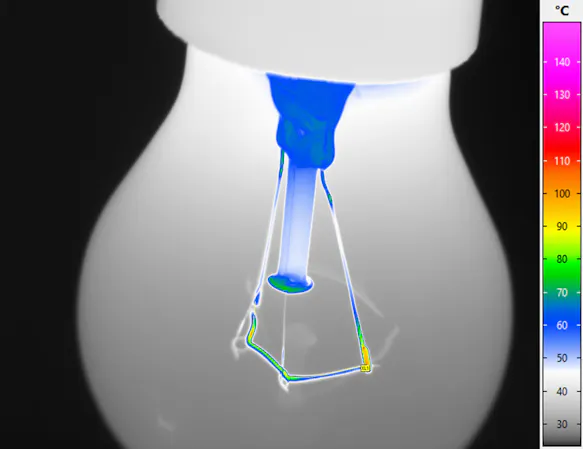
Focusing on spectral ranges where the material’s transmission is particularly high allows for the thermal imaging of objects behind the material. For example, the temperature of a filament in an incandescent light bulb can be measured by using a spectral range in which the bulb’s glass does not absorb radiation and thus does not affect the measurement. The glass exhibits high transmission between 0.4 and 2 µm – a measurement range that corresponds to the high temperature of the filament.
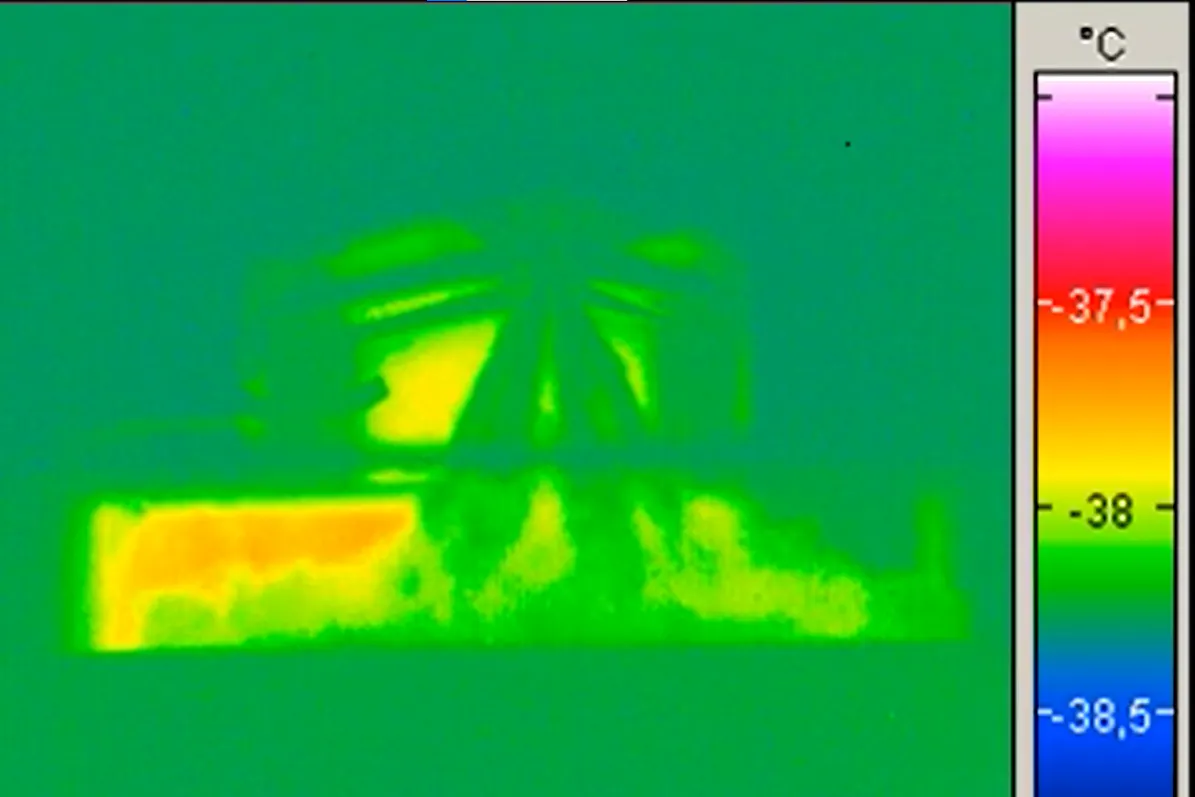
Measurements through gases or flames are based on the same principle. In furnaces or during combustion processes, fuel gases and combustion products such as CO₂ and CO can significantly affect the measurement. For this reason, a spectral window is used in which these gases absorb or emit as little as possible. For methane-containing combustion gases, a filter centered at 3.8 to 3.9 µm is a typical example, because transmission is high at that wavelength and temperatures on furnace inner walls or components behind the flame can be measured more precisely. Conversely, the CO₂ band at 4.25 µm can be specifically used to measure flame temperatures or make gases visible.

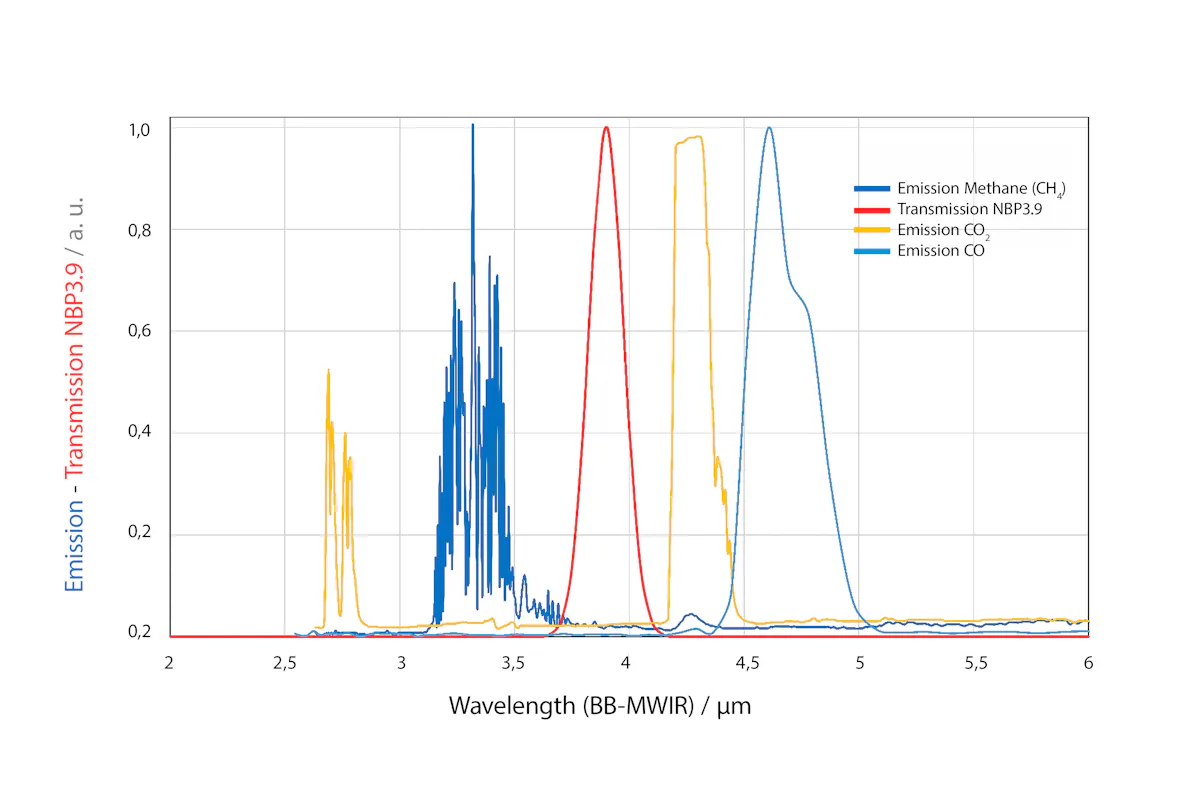
Methane as a fuel gas (example)
In addition to the typical methane absorption band (blue), there are also absorption bands from the combustion products CO₂ and CO. For the measurement, a filter with a central wavelength of 3.8 µm (red) is selected because none of the gases in the fuel mixture exhibit significant absorption at this wavelength.
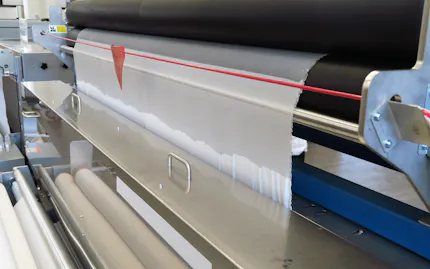
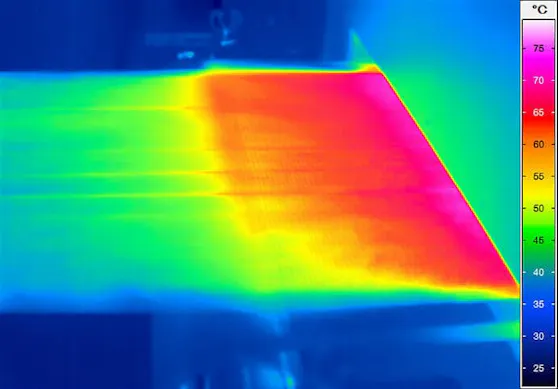
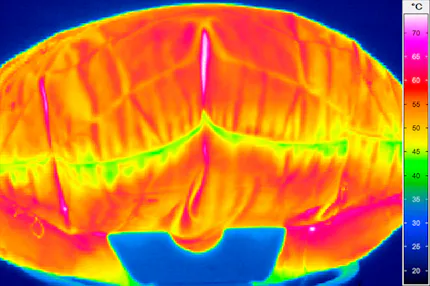
Another important application of spectral thermography is temperature measurement on thin plastic films. Many hydrocarbon compounds, such as polyethylene, polypropylene, and polyamide, have a characteristic CH band at 3.4 µm. In this range, a suitable narrow-band filter can highlight the material-specific emission while simultaneously suppressing interfering background radiation. This makes it possible to measure the surface temperature of the film much more reliably than with a standard broadband measurement.
For high-temperature applications, particularly on metals, the optimal measurement strategy shifts toward shorter wavelengths. This explains why NIR systems are preferred for very hot metals and why short-pass filters can be used in certain MWIR applications to reduce the effects of reflection. Especially with reflective surfaces, spectral selection is often the key factor in distinguishing between true object emission and ambient reflection.
Further Applications Utilizing Spectral Properties
Spectral thermography significantly expands the applications of thermography beyond traditional radiometric temperature measurement. For example, gases such as CO₂ or SF₆ can be detected based on their characteristic absorption bands, thereby enabling the identification of gas leaks. Water bands are useful for detecting moisture. In IR reflectography, spectral thermography is used to reveal signatures in paintings or differences between materials within an object. Furthermore, multispectral analyses using a few carefully selected sub-bands can capture typical IR signatures, thereby enabling material identification.
This demonstrates that spectral thermography is not only a more precise temperature measurement technique, but also a method for separating, identifying, and characterizing materials and media. Where standard thermography sees only a composite signal, spectral thermography can distinguish the relevant contributions of individual components.
Camera Technology for Spectral Thermography
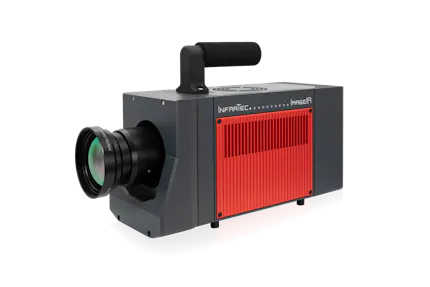
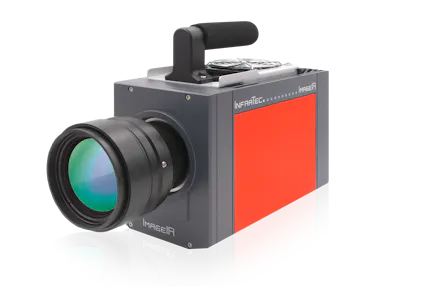
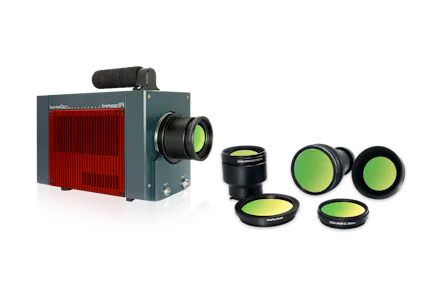
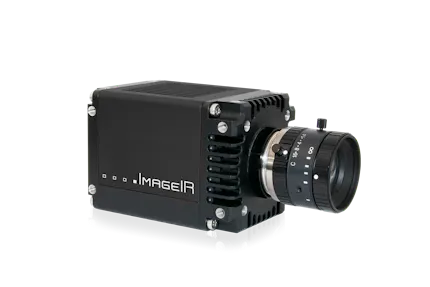
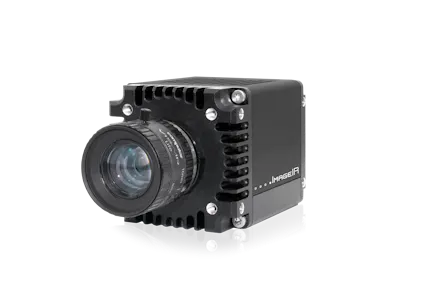
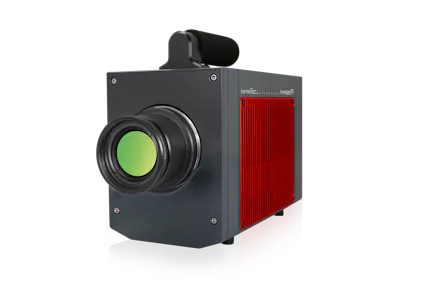
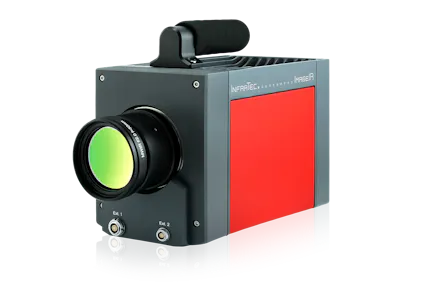
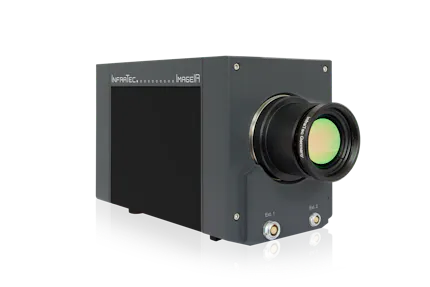
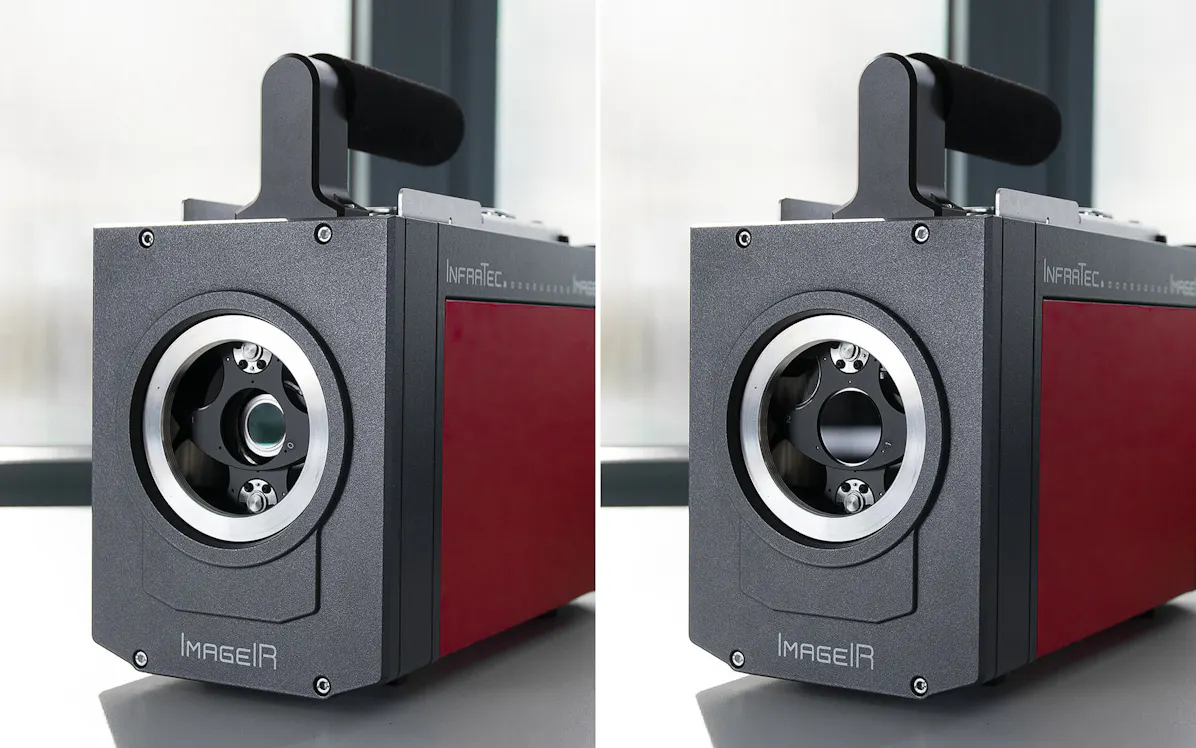
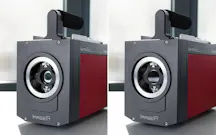
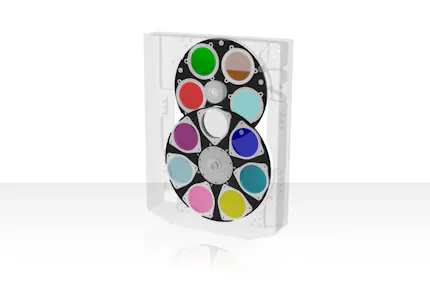
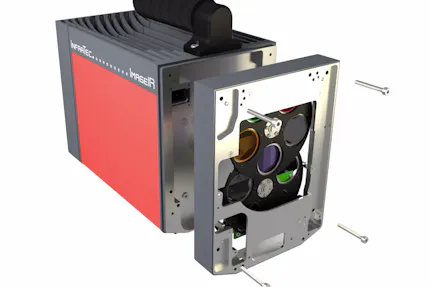
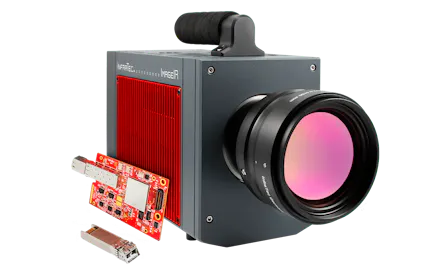
Camera systems with flexible spectral adaptability are particularly well-suited for the applications mentioned, as they typically involve the analysis of varying materials, processes, and measurement objects. The cameras of the ImageIR® series can be equipped with a motorized filter and aperture wheel for this purpose. This optional module allows different filters to be swiveled into the beam path via software control. This enables the cameras to be used for varying purposes, such as analyzing different types of plastic films or different gases. Thanks to the high sensitivity of the cooled photon detectors in the ImageIR® cameras, the reduction in radiation intensity associated with the use of filters is acceptable during measurements.


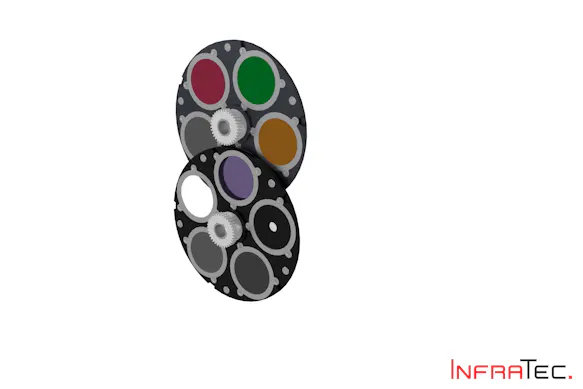


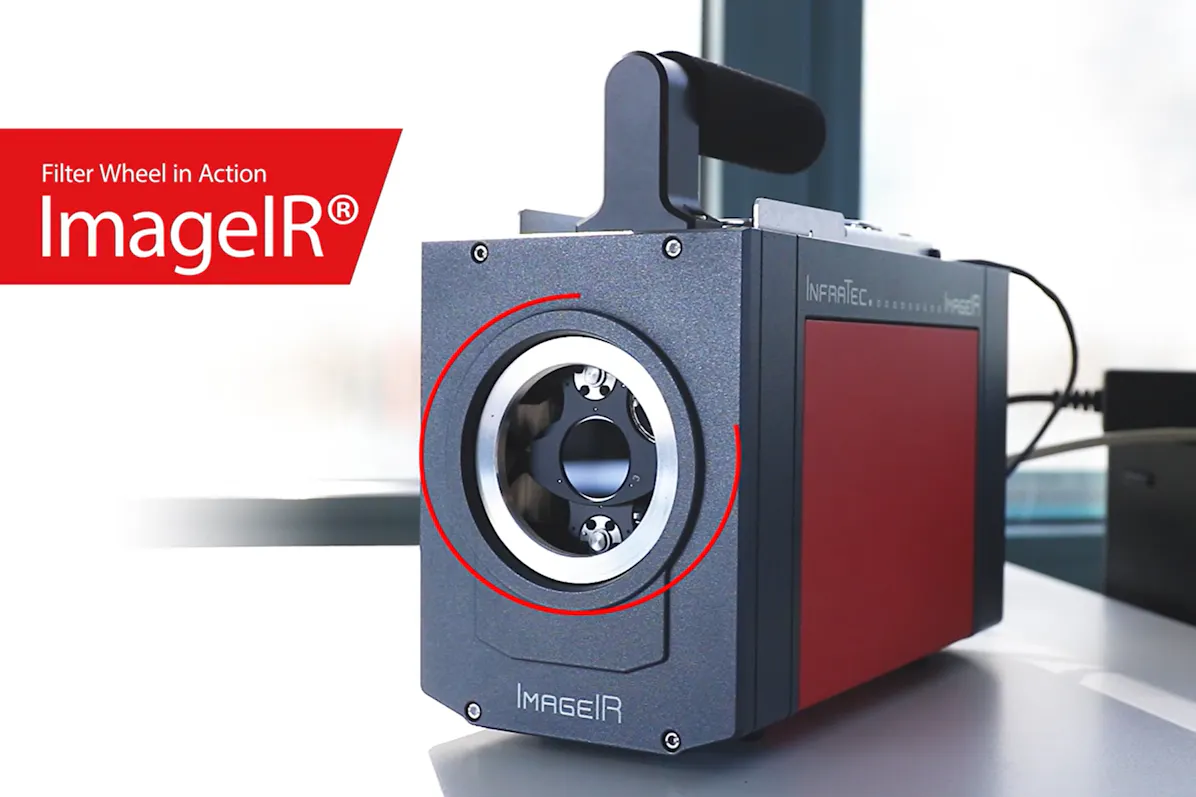
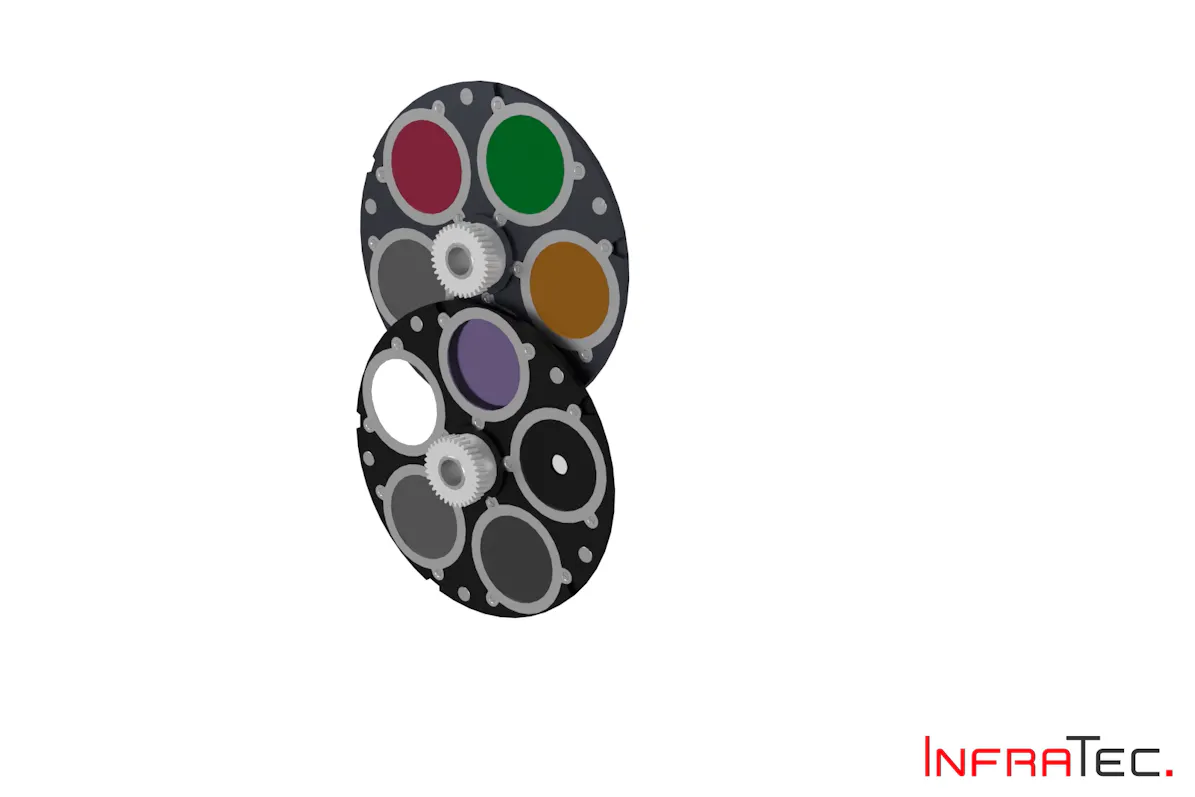





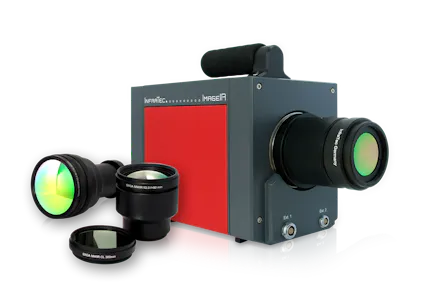
Wide Range of Spectral Filters for Mounting Close to the Detector
InfraTec offers a wide range of special spectral filters for thermographic measurement of the most different materials and applications. Those filters can also be customized. Both the infared camera systems of the ImageIR ® series as well as the long-wave uncooled VarioCAM ® hr head cameras provide facilities for a mounting close to the detector within a filter wheel or a filter slider. The filter wheel of the ImageIR ® models is especially convenient as filters can be changed remotely controlled and motorized. Warm aperture effects caused by a filter position in front of the lens and resulting in possibly big measurement errors can be avoided by such positioning close to the detector being possible in infrared camera systems of InfraTec.











Would You Like to Know More?
It is not unusual for tasks to be associated with special requirements. Discuss your specific application needs with our specialists, receive further technical information or learn more about our additional services.





Applications of Spectral Thermography
Besides the "on-glass" and "through-glass" measurement exists a number of other applications in different industrial sectors as well as in the field of research and development:
IR-reflectography
IR-reflectography is used for the detection of lower painting layers due to its spectral behaviour (upper layer transmissive, lower drawings reflective).Humidity detection
With the help of humidity detection, for example for the analysis of building materials in case of claims, the spectral absorption factor of water band is defined.Leakage
Another interesting application is the detection of leakages on tanks using IR-detectable gases. A suitable and available gas is CO2 , having a strong absorption band at 4,25 μm. A tempered background helps to recognize the leaving gas flow.Temperature measurement of flames
Temperature of flames can be estimated by measuring selectively within the absorption band of CO2 at 4.25 μm. Thermography at objects behind the flame is possible using the spectral range of (3.75 … 4) μm (for example furnace walls or pipes).Film extrusion process
IR-reflectography is used for the detection of lower painting layers due to its spectral behaviour (upper layer transmissive, lower drawings reflective).